
Preventive Dentistry
Dental Sealants for Kids: Cost, Safety & Benefits | Wylie TX
Published 8 min read
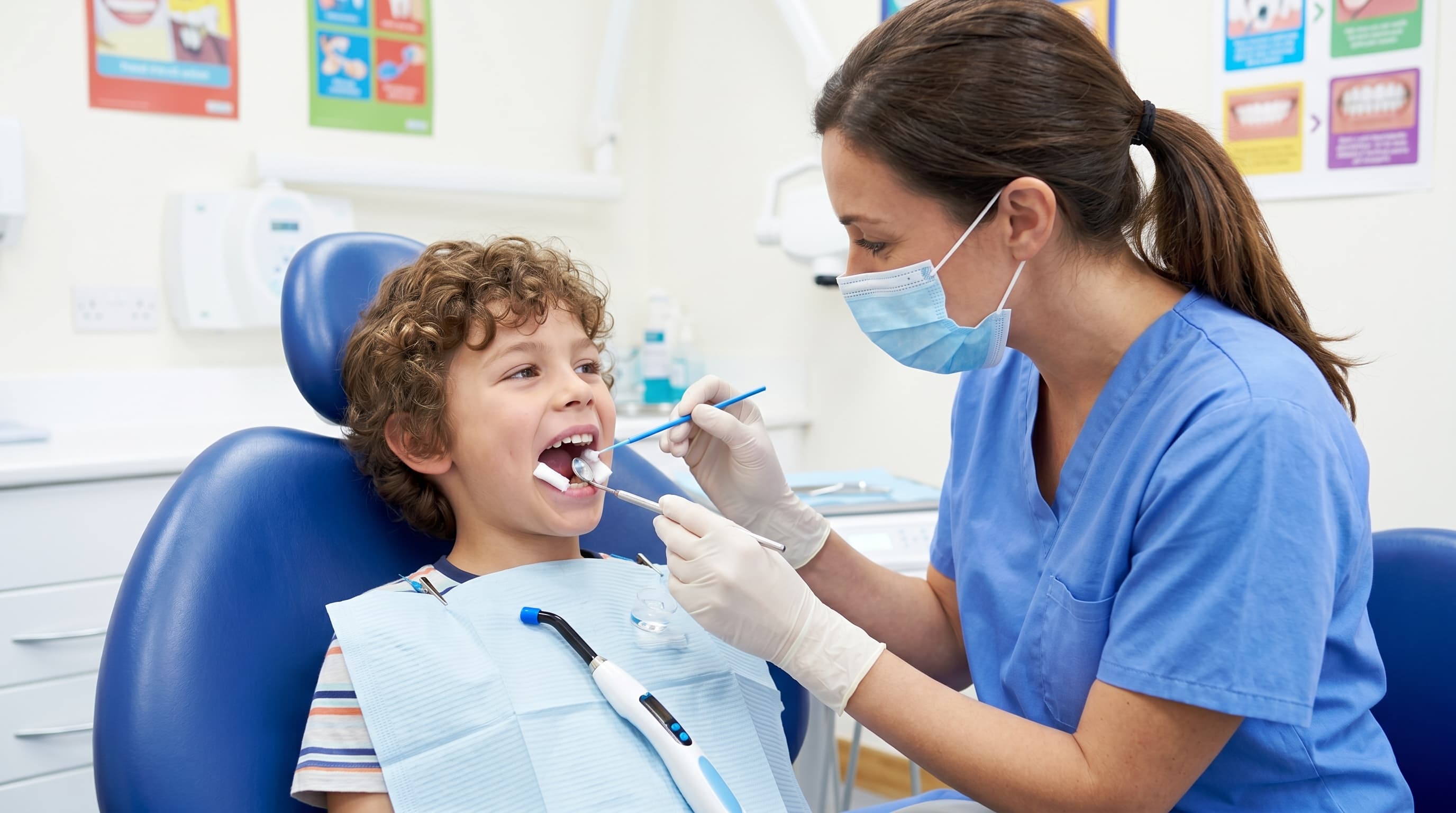
Your child just had their dental checkup, and the dentist mentions sealants. You've heard the term before, but you're not sure whether they're truly necessary or just another add-on. You're not alone. Dental sealants for kids are one of the most underused preventive treatments in pediatric dentistry, despite strong evidence from the CDC that they reduce cavities in school-age children by nearly 80%. That's a staggering number.
At Willow Family Dentistry in Wylie, Texas, we talk with parents about sealants every week. The questions are always the same: Are they safe? How much do they cost? Will my child need to sit still for a long time? This article answers all of those questions with straightforward facts, so you can decide what's right for your family.
What Are Dental Sealants for Kids?
Dental sealants are thin, protective coatings painted onto the chewing surfaces of back teeth to block food particles and bacteria from settling into the tiny grooves where cavities most often start. They act like a shield for your child's molars.
Here's why those back teeth need extra protection. Molars have deep pits and fissures that a toothbrush can't always reach. Even kids who brush well miss these spots. According to the American Dental Association, sealants have been shown to reduce cavity risk on treated surfaces for years after application. The material itself is a tooth-colored or clear resin that bonds directly to the enamel. No drilling. No discomfort. The tooth stays intact underneath.
Think of sealants as a raincoat for your child's teeth. The tooth is still there, fully healthy, but the coating keeps the harmful stuff out. The American Academy of Pediatric Dentistry (AAPD) recommends sealants for all children once their permanent molars come in, typically around ages 6 and 12. That timing matters because newly erupted teeth are the most vulnerable to decay.
Which Teeth Get Sealed?
Sealants are most commonly applied to the first and second permanent molars. Some children also benefit from sealants on premolars. Dr. Esther Jeong evaluates each child's unique tooth anatomy using our iCAT 3D imaging to determine which teeth would benefit most. Not every tooth needs a sealant. The ones with the deepest grooves get priority.
Protect Your Child's Smile Early
Our pediatric dental team makes sealant appointments quick and comfortable for kids of all ages.
Are Dental Sealants Safe for Children?
Yes, dental sealants are considered safe for children by every major dental and medical organization, including the ADA, the CDC, and the AAPD. They've been used in pediatric dentistry for over 50 years with an excellent safety track record.
The most common concern parents raise involves BPA. It's a fair question. Some sealant materials contain trace amounts of BPA or BPA derivatives. But the numbers tell an important story. According to the ADA's review of sealant safety, the BPA exposure from a single sealant application is far less than what your child absorbs from touching a store receipt, drinking from a plastic water bottle, or breathing indoor air. We're talking about 0.09 nanograms, a level thousands of times below any threshold for concern.
The real risk isn't getting sealants. It's skipping them. Tooth decay remains the most common chronic disease in children, five times more common than asthma, according to the ADA. And 20% of children ages 5 through 11 have at least one untreated decayed tooth, per CDC data. A cavity in a permanent molar means fillings, potential crowns, and dental visits that are far more involved than a quick sealant application.
Dr. Jeong talks through these details with every Wylie parent who asks. No pressure. Just information so you can choose with confidence.
How Much Do Dental Sealants Cost?
Dental sealants typically cost between $30 and $60 per tooth without insurance, making them one of the most affordable preventive treatments in dentistry. Most dental insurance plans cover sealants for children under 14 at little to no out-of-pocket cost.
Compare that to the cost of treating a cavity. A single composite filling runs $150 to $300 or more. A dental crown on a badly decayed molar can exceed $1,000. Sealants on all four first molars might cost $120 to $240 total. That's less than the price of one filling. The math is simple.
Families in Murphy, Sachse, and the broader North Texas area should check with their insurance provider before the appointment. Our front desk team at Willow Family Dentistry verifies benefits ahead of time so there are no surprises. Worth a quick call.
Questions About Cost or Insurance?
We verify your dental benefits before your child's visit so you know exactly what to expect. No billing surprises.
What Should You Expect During the Sealant Procedure?
The sealant procedure takes about five to ten minutes per tooth, requires no anesthetic, and is completely painless. Your child sits in the dental chair, and that's about as eventful as it gets.
Here's the step-by-step process:
- Cleaning: The dental team cleans the tooth surface to remove any plaque or food particles.
- Preparing the surface: A mild etching solution is applied for a few seconds to help the sealant bond. It's rinsed off and the tooth is dried.
- Applying the sealant: The liquid resin is painted directly onto the grooves of the tooth.
- Curing: A special blue light hardens the sealant in about 20 seconds. Done.
No numbing needed. No sensation beyond a slightly sour taste from the etching gel. Most kids at our Wylie office don't even realize the procedure has started before it's finished. Children who feel anxious about any dental visit can benefit from our nitrous oxide option, though it's rarely needed for sealants alone.
The whole appointment, including the exam, usually wraps up in under 30 minutes. Families near Wylie High School often schedule sealant visits right after school pickup because the timing works well for a quick stop at our office on W FM 544.
Related: Wondering how often your child should visit the dentist? → Pediatric Dentist Wylie TX: How Often Kids Need Checkups
How Long Do Dental Sealants Last?
Dental sealants can last up to ten years with proper care, though most remain fully intact for five to seven years before needing a touchup or reapplication. That covers the highest-risk cavity years for most children.
Durability depends on a few factors. Kids who chew ice or bite into hard candy may wear down sealants faster. Teeth grinding is another variable. But even partially worn sealants still provide some protection compared to an unsealed tooth. Regular dental visits, which the ADA recommends every six months, allow your dentist to check sealant condition and reapply if needed. Regular dental visits can catch 80% of oral health issues before they become serious, according to the ADA.
Here's what affects sealant longevity:
- Oral habits: Ice chewing, nail biting, and teeth grinding can chip sealants earlier than expected.
- Diet: Sticky foods like taffy or caramels can pull at the edges of sealants over time.
- Dental hygiene: Good brushing and flossing don't directly wear sealants, but they keep the surrounding tooth structure healthy so the sealant seal stays tight.
- Application quality: Proper isolation and technique during placement matter. This is one reason to choose an experienced preventive dentistry team.
Dental sealants for kids aren't a set-it-and-forget-it solution. They're a long-term investment that requires occasional monitoring. That said, the protection they offer during the cavity-prone years between ages 6 and 14 is well documented.
Keep Your Child's Sealants in Check
Regular checkups let us monitor sealant condition and reapply when needed, keeping your child's molars protected year after year.
Why Do Wylie Families Choose Dental Sealants?
Wylie families choose dental sealants for kids because they're the single most effective way to prevent cavities on the chewing surfaces of back teeth, where roughly 90% of childhood decay occurs. Prevention always costs less than treatment, both financially and in chair time.
Here's the thing. Many parents in Allen, Lucas, and the surrounding Wylie communities grew up without sealants and had multiple fillings by their teenage years. They don't want that for their own children. And the research supports their instinct. The CDC reports that children without sealants have almost three times more cavities in their permanent molars than children who do have them.
At Willow Family Dentistry, we see this play out every day. A six-year-old comes in for their first molar checkup. We apply sealants. They come back every six months, and those sealed molars stay cavity-free year after year. It's one of the most rewarding parts of pediatric dental care because it actually works.
Our practice also welcomes families who speak Korean, Spanish, or Vietnamese. Sedation options are available for children who need extra support, though most kids handle sealant appointments with ease. The dedicated play area in our waiting room keeps siblings entertained during appointments. Small details, but they add up for busy families.
Choosing sealants isn't about being an anxious parent. It's about being a practical one. Eighty percent cavity reduction is hard to argue with. And when the appointment takes less time than a drive through the school pickup line, the convenience factor speaks for itself.
The most important step you can take right now is scheduling your child's next dental visit. If your child's first or second permanent molars have already come in and aren't sealed, there's no reason to wait. Every month without protection is another month those deep grooves collect bacteria. Dr. Jeong and our team at Willow Family Dentistry are here to answer your questions and help you make the best choice for your child's long-term oral health.
Ready to Protect Your Child's Teeth?
Schedule a sealant consultation at Willow Family Dentistry in Wylie, TX. Quick appointments, gentle care, and real cavity prevention for your child.
Have Questions? We're Happy to Help.
Common questions
At what age should kids get dental sealants?
Children should get sealants when their first permanent molars come in, usually around age 6, and again when their second molars appear around age 12. Applying sealants soon after eruption provides maximum protection during the most cavity-prone years. Your dentist can confirm the right timing at a regular checkup.
Can dental sealants be placed over a small cavity?
In some cases, sealants can be placed over very early-stage decay to prevent it from progressing. The clear sealant material allows your dentist to monitor the area at future visits. However, sealants aren't appropriate for larger cavities that already need a filling or other restoration.
Does dental insurance cover sealants for kids?
Most dental insurance plans cover sealants for children under age 14, often at 100% for permanent molars. Coverage varies by plan, so check your specific benefits before the appointment. Many Wylie families find sealants are fully covered with no copay required.
Do dental sealants contain BPA?
Some sealant materials contain trace amounts of BPA derivatives, but the ADA confirms the exposure is thousands of times below any level of concern. The amount is less than what children encounter from everyday items like plastic containers and thermal receipts. All major dental organizations consider sealants safe.
Can adults get dental sealants too?
Yes, adults with deep grooves in their molars and no existing decay or fillings can benefit from sealants. They're less commonly applied in adults because most adult molars already have restorations. Ask your dentist whether your teeth are good candidates during your next visit.
Do sealants replace brushing and flossing?
No. Sealants protect only the chewing surfaces of back teeth. Cavities can still form between teeth and along the gumline, so daily brushing and flossing remain necessary. Think of sealants as one layer of protection that works alongside good oral hygiene habits.
What happens if a dental sealant chips or falls off?
If a sealant chips or comes off, the tooth underneath is still healthy. Your dentist can reapply the sealant at your child's next checkup. There's no damage to the tooth from losing a sealant, but the exposed grooves become vulnerable to decay again until a new coating is placed.
Did this answer your question?
Written for general reading, not as advice about your own teeth. Nothing here replaces an examination: if something hurts, or has changed, book a visit and let a dentist look at it.
Read next
 8 min readMouth Ulcers Causes, Types, and When to WorryMouth ulcers causes and types: aphthous, traumatic, viral, and the red flags that warrant dental evaluation.Read the article
 9 min readHow to Floss Correctly (and Why Most People Don't)How to floss correctly: step-by-step technique, the most common mistakes, floss picks vs threaders, and when to expect results.Read the article
 9 min readGeographic Tongue Causes: Why Your Tongue Has Map-Like PatchesGeographic tongue causes explained: what it is, why patches appear and migrate, common triggers, how it differs from conditions that need treatment.Read the article
Your first visit
One ticket covers it.
360 Dental · Admit one