
Preventive Dentistry
Does a Root Canal Hurt? Common Myths Exposed | Wylie
Published 9 min read
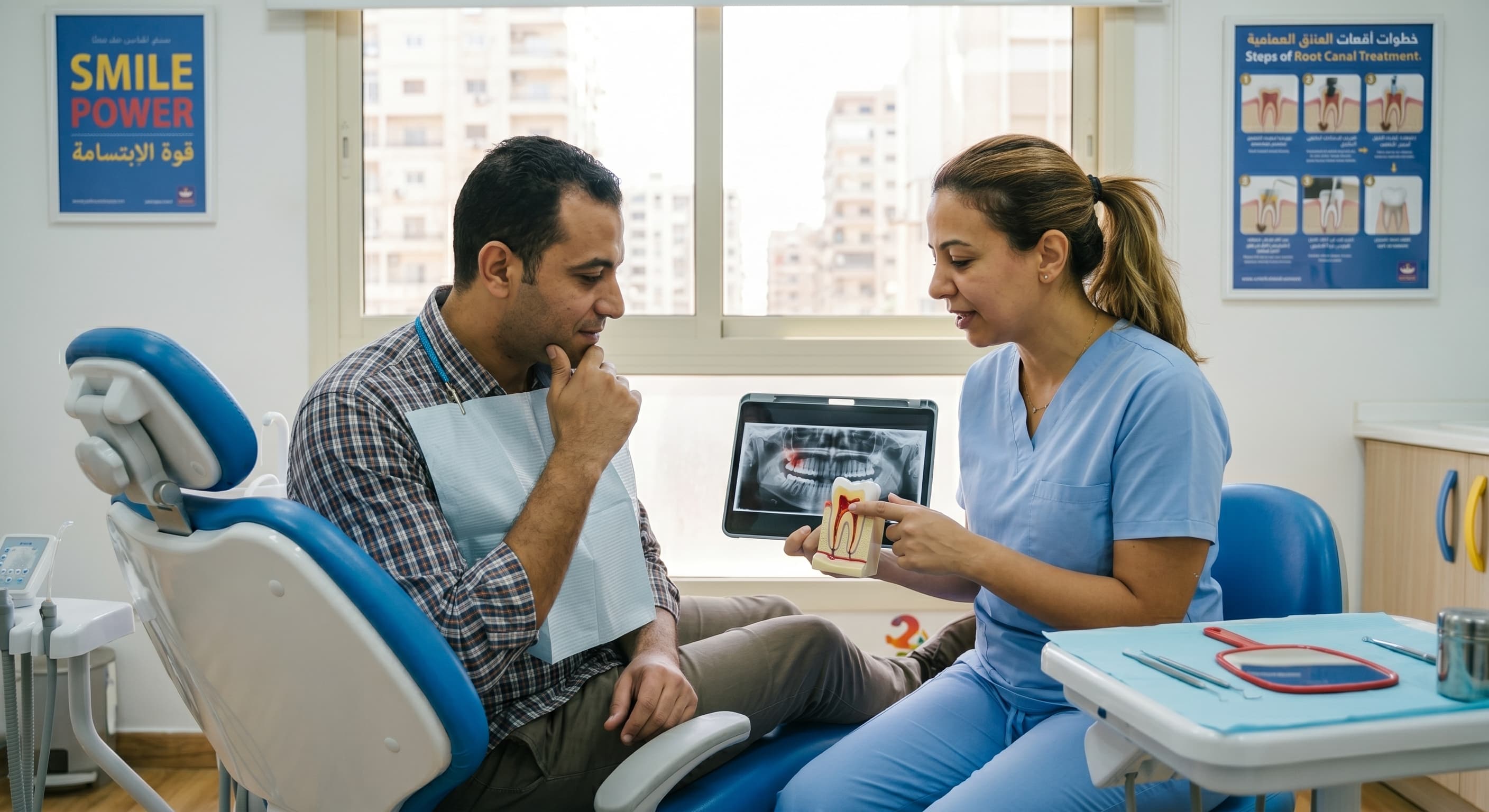
You're sitting in the waiting room, heart pounding, asking yourself one question: does a root canal hurt? You're not alone. That single worry keeps thousands of North Texas families from getting care they genuinely need. According to a study published in BMC Oral Health, 36% of Americans experience dental anxiety, and root canals sit near the top of the fear list.
Here's the truth. Modern root canal treatment feels similar to getting a standard filling. The outdated horror stories don't reflect what happens in a well-equipped office today. At Willow Family Dentistry in Wylie, Texas, Dr. Esther Jeong and our team use advanced imaging and dual sedation options to keep you comfortable from start to finish.
This article breaks down the most persistent root canal myths, walks you through what the procedure actually involves, and gives you practical steps to prepare. Whether you've been avoiding treatment for months or just got the recommendation last week, you'll leave with an honest picture of what to expect.
Does a Root Canal Hurt with Today's Dental Technology?
No, a root canal doesn't hurt the way most people imagine. With local anesthetic and precision instruments, most patients feel pressure but not discomfort during treatment. The infected tooth causing your toothache is the real source of your misery, and the root canal actually relieves it.
The myth of the agonizing root canal dates back decades, to an era before effective anesthetics and rotary instruments existed. Today's approach is completely different. Your dentist numbs the treatment area thoroughly before beginning any work. Many patients at our Wylie office on W FM 544 tell us they're surprised by how uneventful the whole experience feels. Some even doze off.
Research backs this up. A study from the American Dental Association confirms that patients who undergo root canal therapy report pain levels comparable to those of a simple filling. The infection itself is what causes severe throbbing. Removing it brings relief, not more distress.
At Willow Family Dentistry, Dr. Jeong uses iCAT 3D imaging to map your tooth's root structure before treatment begins. That means fewer surprises, more precision, and a shorter appointment. Advanced imaging also helps identify extra canals that traditional X-rays might miss. Worth knowing.
So what does a root canal actually feel like? Most patients describe mild pressure and light vibration. That's it. The anticipation is almost always worse than the procedure itself.
What Actually Happens During a Root Canal?
A root canal removes infected or damaged tissue from inside your tooth, disinfects the root canals, and seals the space to prevent future infection. The process typically takes 60-90 minutes under local anesthesia, and you can drive yourself home afterward.
Step-by-Step Breakdown
Understanding the process takes a lot of the fear away. Here's what happens in a typical root canal appointment:
- Numbing: Your dentist applies a topical gel first, then administers local anesthetic. You won't feel the treatment area within a few minutes. If you're particularly anxious, sedation options are available before this step even begins.
- Access: A small opening is created in the top of the tooth to reach the inner chamber. This part takes just a few minutes.
- Cleaning: Specialized instruments remove the infected pulp tissue and shape the canals. Your dentist irrigates the space with an antimicrobial solution to eliminate bacteria. This is the longest step, but you won't feel it.
- Filling and sealing: The cleaned canals are filled with a biocompatible material called gutta-percha, and the opening is sealed with a temporary or permanent restoration.
- Crown placement: Most root canal teeth need a dental crown to restore full strength. This is typically done at a follow-up visit.
The Mayo Clinic notes that root canals have a success rate above 95% when followed by proper restoration. That's a strong track record. Families in Murphy, Sachse, and the broader Wylie area can feel confident about the reliability of this treatment.
Nervous About Your Upcoming Procedure?
We offer nitrous oxide and IV sedation to keep you relaxed and comfortable throughout your visit.
Why Do So Many People Fear Root Canal Treatment?
Root canal fear stems from outdated experiences, exaggerated media portrayals, and secondhand stories passed down over generations. Most people who dread the procedure have never actually had one, and the anxiety itself often causes more suffering than the treatment ever would.
Think about it. When someone says "I'd rather have a root canal," they're using it as shorthand for something terrible. That cultural shorthand reinforces fear even when the reality has changed dramatically. Movies, TV shows, and social media keep the myth alive because discomfort makes better content than "it was totally fine."
The numbers tell a different story. Research published in the Journal of Dental Anesthesia and Pain Medicine found that sedation dentistry has helped 75% of fearful patients maintain regular dental visits. That's a massive shift. People who once avoided the dentist for years are now coming in for routine appointments, root canals included.
There's also a generational component. Your parents or grandparents may have had root canals in the 1970s or 1980s, when anesthetics were less effective and instruments were manual. Their experience was genuinely uncomfortable. Yours won't be. The technology gap between then and now is enormous.
At our Wylie practice near Wylie High School, we see this transformation regularly. A patient walks in terrified. They leave saying, "That was it?" It happens almost every week. Dr. Jeong's judgment-free approach means you'll never be lectured for waiting too long or feeling anxious. Big difference.
Related: New to our practice? Here's what your first appointment looks like. → What to Expect at Your First Dental Visit in Wylie, TX
How Can Sedation Dentistry Help with Root Canal Anxiety?
Sedation dentistry reduces anxiety and physical tension so you can receive treatment comfortably, even if you have a strong fear response. Options range from mild relaxation with nitrous oxide to deeper calm with IV sedation, depending on your needs and medical history.
Not everyone needs sedation for a root canal. But if your anxiety is keeping you from booking the appointment, sedation removes that barrier entirely. Here's how the two main options compare:
The ADA reports that IV sedation carries a safety record exceeding 99.9% in dental settings. Nitrous oxide is even gentler, with effects that wear off within minutes of removing the mask. Both options are well-established and closely monitored throughout your visit.
Which one is right for you? That depends on your anxiety level, the complexity of your procedure, and your medical history. Dr. Jeong discusses both options during your consultation so you can make a confident choice. No pressure. Just information.
Don't Let Anxiety Keep You from Treatment
Willow Family Dentistry offers both nitrous oxide and IV sedation so you can get the care you need, stress-free.
What Happens If You Avoid Getting a Root Canal?
Avoiding a recommended root canal doesn't make the problem go away. It makes it worse. The infection inside your tooth will continue to spread, potentially reaching the jawbone, neighboring teeth, or even other parts of your body through the bloodstream.
The progression is predictable. First, the toothache intensifies. Then swelling begins. According to research published in the Journal of the American Dental Association, dental abscesses can spread to other parts of the body within 48 hours if left untreated. That's not a timeline you want to test.
Here's what delayed treatment can lead to:
- Abscess formation requiring emergency dental care
- Bone loss around the infected tooth root
- Spread of infection to adjacent teeth
- Eventual tooth loss, requiring more extensive restorative treatment like implants or bridges
- Systemic health risks including increased cardiovascular inflammation
The CDC reports that 42% of adults aged 30 and older have some form of periodontal disease, and untreated infections only accelerate that damage. Americans who visit a dentist regularly are 60% less likely to lose teeth, according to the Journal of Dental Research. Staying ahead of the problem is always less costly and less complicated than catching up later.
Two million emergency room visits per year in the US are for dental issues, according to the ADA Health Policy Institute. Many of those visits could have been prevented with timely treatment. If your dentist has recommended a root canal, that recommendation exists for a reason.
How Should You Prepare for a Root Canal in Wylie?
Preparing for a root canal is straightforward and takes minimal effort. Eat a normal meal beforehand, take any prescribed medications, arrange a ride if you're choosing IV sedation, and arrive a few minutes early to complete paperwork. That's the entire checklist.
Before Your Appointment
Your preparation depends partly on whether you'll use sedation. For standard treatment with local anesthetic only, eat normally and stay hydrated. If you're opting for IV sedation, you'll need to fast for 6-8 hours before your appointment and have someone drive you home. Our team will give you specific instructions when you schedule.
It also helps to write down any questions you have before arriving. Patients in Allen, Lucas, and throughout the Wylie area often ask about recovery timelines, medication needs, and follow-up crown appointments. Getting those answers upfront reduces day-of anxiety significantly.
After Your Root Canal
Recovery is typically mild. Most patients return to work or school the next day. You may experience slight tenderness around the treated tooth for 2-3 days, manageable with over-the-counter medication. Avoid chewing on that side until your permanent crown is placed.
Here are a few post-treatment tips:
- Stick to soft foods for 24-48 hours
- Don't skip your follow-up appointment for crown placement
- Brush and floss normally, but be gentle near the treatment site
- Contact our office at (972) 881-0715 if you notice unusual swelling or persistent discomfort beyond a few days
Regular dental visits can catch 80% of oral health issues before they become serious, according to the ADA. Staying on schedule with your preventive checkups after your root canal protects the investment you've made in saving that tooth.
Ready to Get This Behind You?
Our Wylie team makes root canals comfortable, quick, and judgment-free. Let's talk about what's right for you.
The single most important thing to take away from this article? A root canal saves your natural tooth and stops an active infection. It doesn't cause the kind of discomfort people imagine. The procedure itself is routine, the recovery is quick, and putting it off only creates bigger problems down the road.
If you've been told you need a root canal, don't let old myths make the decision for you. Willow Family Dentistry in Wylie, Texas is here to walk you through every step, with sedation options, 3D imaging, and a team that genuinely cares about your comfort. Your tooth is worth saving. Let's take care of it.
Schedule Your Root Canal Consultation Today
Comfortable care, advanced technology, and a judgment-free experience at Willow Family Dentistry in Wylie, TX.
Have questions before booking? We're happy to help.
Common questions
Does a root canal hurt more than a filling?
No. Most patients report that root canal discomfort is comparable to getting a filling. Modern anesthetics numb the area completely before treatment begins. The infection causing your toothache is what actually produces significant discomfort, and the root canal relieves it.
How long does a root canal take at a Wylie dentist?
A typical root canal appointment takes 60-90 minutes. More complex cases involving molars with multiple canals may take slightly longer. Most patients complete treatment in a single visit, with a follow-up appointment scheduled for crown placement.
Can I drive home after a root canal?
Yes, if you received only local anesthesia or nitrous oxide sedation. Nitrous oxide wears off within minutes. However, if you choose IV sedation, you'll need someone to drive you home since the effects take several hours to fully clear.
What happens if I don't get a root canal when recommended?
The infection inside your tooth will continue spreading. This can lead to abscess formation, bone loss, damage to neighboring teeth, and potentially systemic health complications. Dental abscesses can spread to other body areas within 48 hours if untreated.
How much does a root canal cost in Wylie, TX?
Root canal costs vary based on which tooth is affected and the complexity of treatment. Front teeth are generally less expensive than molars. Most dental insurance plans cover a significant portion of root canal therapy. Our team can provide a detailed estimate before treatment.
Is sedation available for root canals at Willow Family Dentistry?
Yes. Willow Family Dentistry offers both nitrous oxide for mild-to-moderate anxiety and IV sedation for more severe dental fear. IV sedation has a safety record exceeding 99.9% in dental settings. Dr. Jeong helps you choose the best option during your consultation.
How long is recovery after a root canal?
Most patients return to work or school the next day. You may feel slight tenderness for 2-3 days, manageable with over-the-counter medication. Avoid chewing on the treated side until your permanent crown is placed at a follow-up visit.
Do I need a crown after a root canal?
In most cases, yes. A root canal removes the inner pulp tissue, which can leave the tooth more brittle over time. A dental crown restores the tooth's full strength and protects it from fracture. Your dentist will discuss timing and options during your appointment.
Did this answer your question?
Written for general reading, not as advice about your own teeth. Nothing here replaces an examination: if something hurts, or has changed, book a visit and let a dentist look at it.
Read next
 8 min readMouth Ulcers Causes, Types, and When to WorryMouth ulcers causes and types: aphthous, traumatic, viral, and the red flags that warrant dental evaluation.Read the article
 9 min readHow to Floss Correctly (and Why Most People Don't)How to floss correctly: step-by-step technique, the most common mistakes, floss picks vs threaders, and when to expect results.Read the article
 9 min readGeographic Tongue Causes: Why Your Tongue Has Map-Like PatchesGeographic tongue causes explained: what it is, why patches appear and migrate, common triggers, how it differs from conditions that need treatment.Read the article
Your first visit
One ticket covers it.
360 Dental · Admit one