
Oral Health Tips
Foods Good for Teeth (and 7 That Quietly Destroy Them)
Published 9 min read
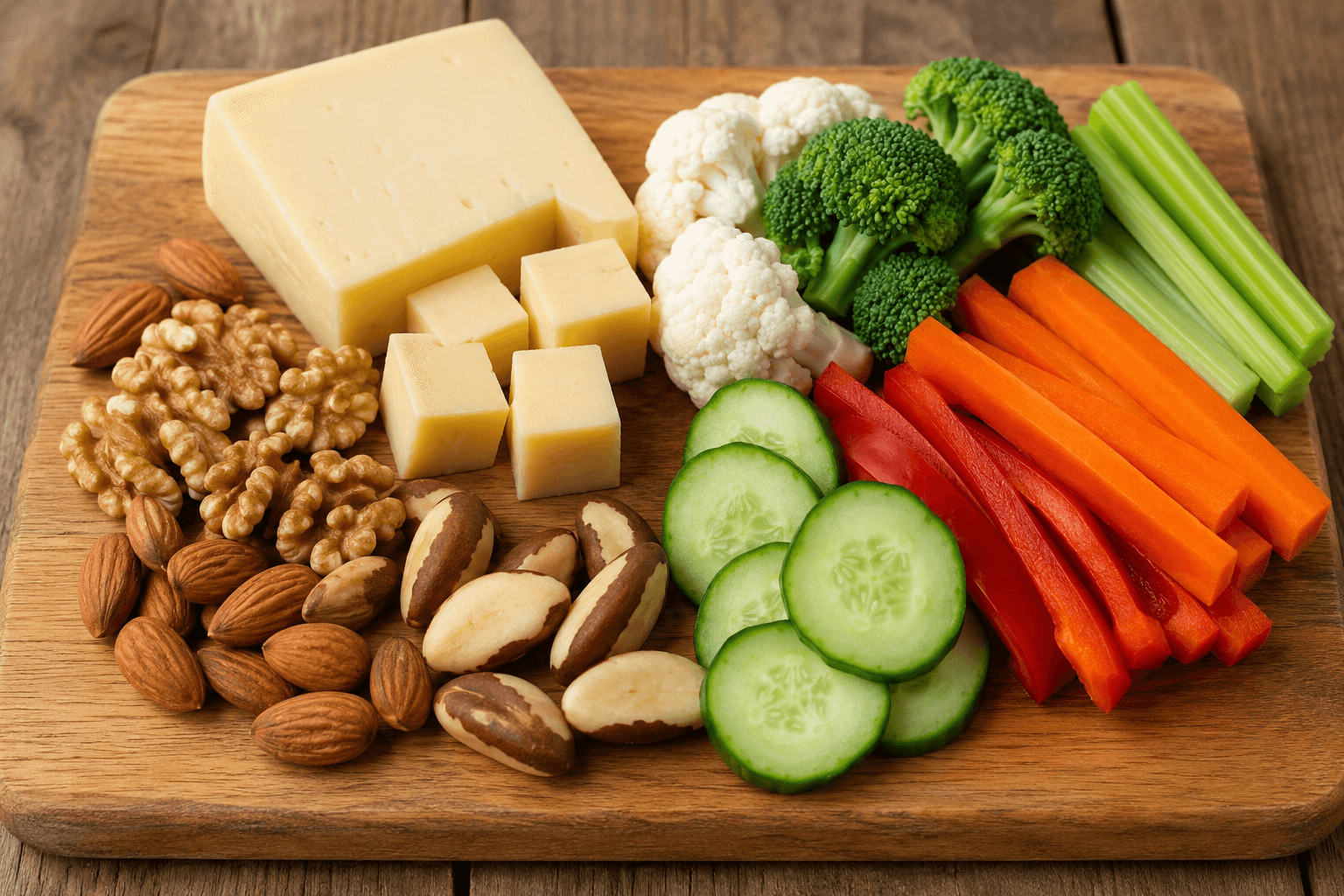
The foods good for teeth and the foods that destroy them often sit next to each other on the same plate. A salad with cheese and almonds strengthens enamel. The citrus vinaigrette dissolves it. Yogurt delivers calcium directly to developing teeth. The honey granola topping feeds the bacteria that attack them. Understanding which foods protect and which ones erode gives you a daily advantage that no amount of brushing can fully replicate, because your teeth are bathed in whatever you eat for hours before your toothbrush reaches them.
Dr. Esther Jeong at Willow Family Dentistry in Wylie, TX discusses nutrition at every preventive visit because the patients who struggle with cavities despite good brushing and flossing habits almost always have a dietary pattern that's undermining their efforts. The ADA identifies diet as a primary modifiable risk factor for dental caries, alongside brushing, flossing, and fluoride exposure. Here's what to eat more of, what to eat less of, and why each one matters for your enamel.
Foods That Strengthen and Protect Your Teeth
Teeth need three things from your diet: calcium and phosphorus to maintain enamel mineral density, vitamin D to absorb that calcium, and foods that stimulate saliva to neutralize acids and deliver minerals to tooth surfaces. These foods deliver all three.
Cheese
Cheese is arguably the single best food for teeth. It delivers calcium and phosphorus in bioavailable forms that deposit directly onto enamel. It stimulates saliva production through the chewing required and its savory flavor. And it raises oral pH (making the mouth more alkaline) within minutes of eating, counteracting acid from other foods in the meal. According to a study published in General Dentistry and cited by the ADA, eating cheese after a meal raised oral pH significantly more than eating yogurt or drinking milk, making it the most effective dairy product for acid neutralization. Hard aged cheeses (cheddar, Swiss, Parmesan) deliver the most benefit because they require the most chewing and contain the highest mineral concentrations.
Leafy Greens (Spinach, Kale, Collards)
Dark leafy greens are dense in calcium (one cup of cooked kale provides 180mg, comparable to a glass of milk), folic acid (which reduces gum inflammation and supports gum tissue health), and fiber (which stimulates saliva through extended chewing). The ADA recommends leafy greens as a cornerstone of tooth-friendly nutrition because they deliver calcium without the sugar that dairy alternatives (flavored yogurt, chocolate milk) often add.
Almonds and Other Nuts
Almonds provide calcium (76mg per ounce) and phosphorus (137mg per ounce) with virtually no sugar. The crunching action stimulates saliva. Cashews and Brazil nuts offer similar mineral profiles. According to nutritional research, the mechanical chewing of nuts also helps scrub plaque from tooth surfaces, providing a mild cleaning action between brushings.
Fatty Fish (Salmon, Sardines, Mackerel)
Fatty fish is the best dietary source of vitamin D, the nutrient your body needs to absorb calcium from your intestines and deposit it into bones and teeth. Without adequate vitamin D, the calcium from cheese and greens passes through without being used. One 3-ounce serving of salmon provides 570 IU of vitamin D, exceeding the daily recommendation. Sardines with bones provide both vitamin D and calcium simultaneously. According to the ADA, vitamin D deficiency is associated with increased cavity rates and delayed tooth development in children.
Crunchy Vegetables (Celery, Carrots, Bell Peppers)
Raw crunchy vegetables act as natural toothbrushes: the fibrous texture scrubs tooth surfaces during chewing, and the high water content dilutes sugars from other foods in the meal. Celery in particular has a stringy texture that reaches between teeth. Carrots are rich in vitamin A, which supports the mucous membranes and gum tissue. The extended chewing time stimulates a sustained saliva flow that bathes the teeth in buffering minerals.
Plain Yogurt and Milk
Dairy delivers calcium and phosphorus in forms the body absorbs efficiently. Plain, unsweetened yogurt also contains probiotics that may help balance oral bacterial populations, reducing the dominance of cavity-causing species. The key qualifier is "plain and unsweetened." Flavored yogurts can contain 15-25 grams of added sugar per serving, which negates the mineral benefit by feeding the bacteria the calcium is trying to protect against. Milk's natural lactose is far less cariogenic (cavity-causing) than added sugars because oral bacteria ferment it more slowly.
Green and Black Tea
Tea contains polyphenols that inhibit bacterial growth and reduce acid production by oral bacteria. Black tea also contains fluoride naturally (0.3-0.5mg per cup), providing a low-level topical fluoride exposure with every sip. According to dental research, regular tea drinkers show lower cavity rates than non-tea drinkers, provided they drink it unsweetened. Adding sugar or honey eliminates the benefit.
Water (Especially Fluoridated)
Water is the most tooth-friendly beverage. It rinses food debris, maintains saliva volume, delivers fluoride in fluoridated municipal supplies, and contains zero sugar, zero acid, and zero staining compounds. Drinking water after meals and between snacks is the simplest dietary habit for dental protection. Dr. Jeong calls it "the free fluoride treatment you get with every glass" for patients on Wylie's fluoridated water supply.
Related: Chewing gum after these foods boosts the protection. → Sugar-Free Gum for Teeth: Does It Really Help?
7 Foods That Quietly Destroy Your Teeth
"Quietly" is the operative word. These foods cause damage through acid erosion, prolonged sugar exposure, or physical mechanisms that patients rarely connect to their dental problems. Most of them are perceived as healthy or harmless.
1. Citrus Fruits and Juices
Oranges, lemons, limes, grapefruit, and their juices have a pH of 2.0-4.0, well below the 5.5 threshold where enamel dissolves. A glass of orange juice bathes your teeth in acid for the entire time you're drinking it. The vitamin C benefits are real, but the enamel cost is measurable. According to the ADA, citrus erosion is one of the most common dietary causes of enamel loss. The mitigation: drink citrus juice through a straw, rinse with water immediately after, and wait 30 minutes before brushing.
2. Sports and Energy Drinks
The double threat: high sugar content (20-35 grams per bottle) plus high acidity (pH 2.5-3.5). Athletes sip them continuously during workouts, creating prolonged acid and sugar exposure while saliva production is reduced from dehydration and mouth breathing during exercise. According to clinical data, athletes who consume sports drinks regularly have significantly higher cavity and erosion rates than those who drink water during exercise.
3. Dried Fruit
Raisins, dried apricots, dried cranberries, and dried mango are concentrated sugar delivered in a sticky package that adheres to tooth surfaces and lodges in grooves and between teeth. A small box of raisins contains 25 grams of sugar in a form that sticks to molars for hours. Fresh fruit is far less damaging because the water content dilutes the sugar and the fruit is consumed and cleared quickly. According to the ADA, dried fruit should be treated as a candy equivalent for dental risk purposes.
4. Crackers, Chips, and White Bread
Refined starches break down into simple sugars immediately in the mouth. Saltine crackers and potato chips become a paste that packs into the grooves of molars and between teeth, feeding bacteria for extended periods. White bread does the same. The starchy paste is harder to rinse away than granular sugar because it adheres mechanically to tooth anatomy. These foods are rarely identified as cavity risks, but Dr. Jeong sees their contribution at nearly every hygiene visit in patients with otherwise healthy diets.
5. Hard and Chewy Candy
Hard candy dissolves slowly, bathing teeth in sugar for 5-10 minutes per piece. Chewy candy (caramels, taffy, gummy bears) sticks to surfaces and into grooves, extending sugar contact time to hours. Sour candy combines the sugar with citric acid, attacking enamel from both directions simultaneously. According to dental caries research, the frequency and duration of sugar exposure matters more than the total amount consumed. Ten small sugar exposures throughout the day cause more damage than one large sugar exposure at a meal.
6. Soda (Including Diet)
Regular soda delivers sugar (39 grams per can) and phosphoric/citric acid (pH 2.5-3.5). Diet soda eliminates the sugar but retains the acid, which erodes enamel regardless of sugar content. Sipping soda throughout the day (the desk-soda habit) is the worst consumption pattern because it creates continuous acid exposure with no recovery time for saliva to neutralize. One soda with a meal is significantly less damaging than the same soda nursed over 3 hours.
7. Apple Cider Vinegar
The wellness trend that dentists dread. ACV has a pH of 2.5-3.0, making it more acidic than orange juice. Patients who drink diluted ACV "shots" for health benefits are exposing their teeth to concentrated acid daily. Those who sip ACV water throughout the morning create extended erosion windows. The purported health benefits are debatable; the enamel erosion is not. According to the ADA, dentists are reporting increasing enamel erosion in patients who've adopted daily ACV habits.
Related: Coffee is another daily acid exposure. → Coffee Stains on Teeth: How to Prevent and Remove Them
Timing and Pattern Matter More Than Total Amount
The most important dietary principle for dental health isn't what you eat but how you eat it. Eating sugar or acid with a meal is dramatically less damaging than consuming the same sugar or acid as a standalone snack, because mealtime stimulates a large saliva flow that buffers acid and clears sugar quickly. Snacking between meals produces smaller saliva responses, extending the acid exposure window.
Sipping is worse than gulping. A soda consumed in 5 minutes creates one acid exposure that saliva neutralizes within 40 minutes. The same soda sipped over 3 hours creates 3 hours of continuous acid exposure with no recovery window. The ADA recommends confining sugary and acidic foods to mealtimes and eliminating the between-meal sipping habit as the single highest-impact dietary change for cavity prevention.
Sequencing helps. End a meal with cheese, nuts, or a glass of water rather than dessert. The alkaline, mineral-rich finish raises oral pH and provides calcium to repair the acid damage from earlier courses. Rinse with water after any acidic food or drink. Chew xylitol gum for 20 minutes after meals to stimulate a sustained saliva response that accelerates remineralization.
Getting Cavities Despite Good Brushing?
Diet may be the missing piece. Dr. Jeong reviews dietary habits at preventive visits and identifies patterns that undermine your brushing and flossing efforts. Small changes in timing and food choices produce measurable results.
The foods good for teeth (cheese, greens, nuts, fish, crunchy vegetables, plain dairy, tea, water) deliver minerals, stimulate saliva, and raise oral pH. The foods that damage teeth (citrus, sports drinks, dried fruit, refined starches, candy, soda, ACV) deliver acid, sugar, or both in patterns that overwhelm saliva's protective capacity. You don't need to eliminate every damaging food. You need to understand timing (with meals, not between), consumption pattern (gulp, don't sip), and sequencing (finish with mineral-rich, not sugar-rich). If cavities keep appearing despite solid hygiene, bring your dietary habits to your next visit at Willow Family Dentistry. Dr. Jeong will identify the pattern and help you adjust it.
Your Diet Is Part of Your Dental Care Plan
Dr. Jeong reviews nutrition as part of every preventive visit. Small dietary adjustments can eliminate the cavity cycle that brushing alone can't break.
Questions about diet and dental health?
Common questions
What foods strengthen teeth?
Cheese, leafy greens (kale, spinach), almonds, fatty fish (salmon, sardines), crunchy vegetables (celery, carrots), plain yogurt, green and black tea, and fluoridated water. These deliver calcium, phosphorus, vitamin D, and stimulate protective saliva.
What foods are worst for teeth?
Citrus fruits and juice (pH 2-4), sports and energy drinks (sugar plus acid), dried fruit (sticky concentrated sugar), crackers and chips (starchy paste), candy (prolonged sugar exposure), soda (acid plus sugar or acid alone), and apple cider vinegar (pH 2.5-3.0).
Is cheese good for teeth?
Yes. Cheese delivers calcium and phosphorus, stimulates saliva, and raises oral pH within minutes. Hard aged cheeses like cheddar and Parmesan provide the most benefit. Eating cheese after a meal counteracts acid from other foods.
Does diet soda damage teeth?
Yes. Diet soda eliminates sugar but retains phosphoric and citric acid at pH 2.5-3.5, well below the 5.5 threshold where enamel dissolves. The acid erosion is independent of sugar content.
Is dried fruit bad for teeth?
Yes. Dried fruit is concentrated sugar in a sticky form that adheres to tooth surfaces and grooves for hours. The ADA recommends treating it as equivalent to candy for dental risk purposes. Fresh fruit is far less damaging.
When should I eat sugary foods for least dental damage?
With meals, not as standalone snacks. Mealtime stimulates large saliva flow that buffers acid and clears sugar quickly. Confine sweets and acidic foods to mealtimes and rinse with water afterward.
Is apple cider vinegar bad for teeth?
Yes. ACV has a pH of 2.5-3.0, more acidic than orange juice. Daily ACV habits cause measurable enamel erosion. If you consume it, dilute heavily, use a straw, rinse immediately with water, and wait 30 minutes before brushing.
Did this answer your question?
Written for general reading, not as advice about your own teeth. Nothing here replaces an examination: if something hurts, or has changed, book a visit and let a dentist look at it.
Read next
 9 min readBurning Mouth Syndrome: Causes, Triggers, and ReliefBurning mouth syndrome causes: vitamin deficiency, hormones, dry mouth, medications, nerve damage.Read the article
 10 min readBlack Spot on Tooth With No Pain: Cavity or Just a Stain?How to tell whether a black spot on your tooth is a cavity, a stain, or tartar, and why no pain does not mean there is no problem to fix.Read the article
 10 min readHard Bump on the Roof of Your Mouth? When It's HarmlessThat bony lump on the roof of your mouth is usually a torus palatinus, and it is almost always harmless.Read the article
Your first visit
One ticket covers it.
360 Dental · Admit one