
Patient Resources
Second Opinion Dentist Wylie TX: When and Why to Get One
Published 10 min read
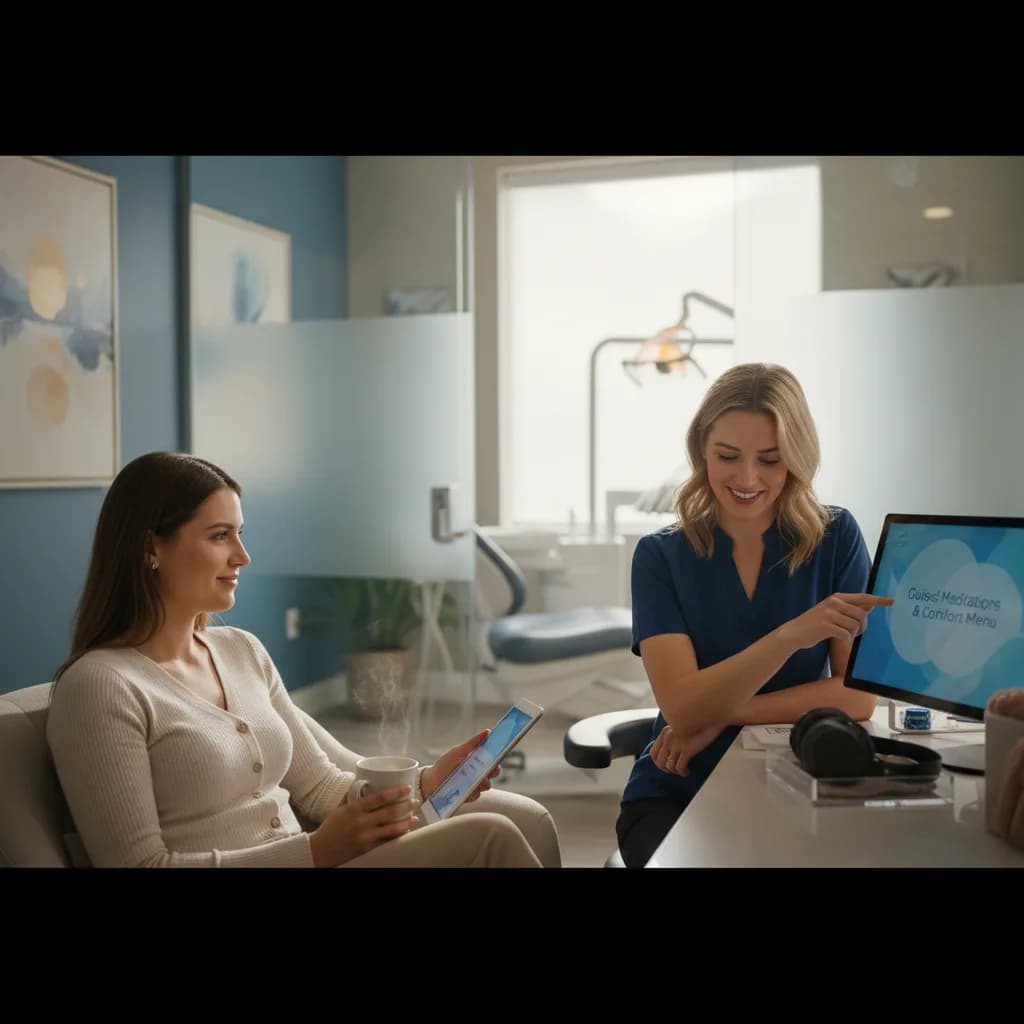
If a dentist just handed you a treatment plan that feels too aggressive, too expensive, or too confusing to accept without question, looking for a second opinion dentist Wylie TX families trust is a reasonable next step. It's not rude. It's not disloyal. It's the same thing you'd do if a mechanic told you that you needed a new transmission or a doctor recommended surgery. Dental treatment is healthcare, and you have every right to verify what you're being told before you commit thousands of dollars and hours in the chair.
At Willow Family Dentistry in Wylie, TX, Dr. Esther Jeong sees second opinion patients regularly. She gives you her independent assessment of what's going on in your mouth, explains what she'd recommend and why, and lets you make the decision. No pressure to switch practices. No lectures about the other dentist. Just a clear, honest evaluation.
When Should You Get a Second Opinion From a Dentist?
You should consider a second opinion any time a treatment plan doesn't sit right with you. That feeling is worth trusting. You don't need a clinical reason to ask. Discomfort with the recommendation is reason enough.
That said, certain situations trigger second opinion visits more than others. A dentist recommends multiple crowns or extensive restorative work during what you thought was a routine checkup. You've been going to a practice for years with clean visits, then a new dentist at the same office suddenly finds a list of problems. The recommended treatment costs significantly more than you expected and the urgency feels manufactured. You're told you need a procedure you've never heard of, and the explanation didn't make sense. Or your gut just tells you something is off.
None of these situations mean the first dentist is wrong. Sometimes the treatment plan is exactly right and the second opinion confirms it. But knowing that gives you confidence to proceed, and confidence matters when you're authorizing work inside your mouth. According to the ADA, patients have the right to seek additional opinions and to make informed decisions about their care. That's not a loophole. It's a standard.
Why Do Patients Seek Dental Second Opinions?
The most common driver is a treatment plan from a corporate dental chain that feels more aggressive than the patient's symptoms warrant. This isn't speculation. It's a pattern Dr. Jeong sees in her Wylie office repeatedly, and it's rooted in how corporate dental models operate.
According to a Healthline analysis, many chain practices operate on production-based compensation. The dentist's income is tied to how much treatment they recommend and complete. That creates a structural incentive to diagnose more aggressively: treating borderline cavities that a conservative dentist would watch, recommending crowns where fillings would suffice, or flagging cosmetic concerns as medical necessities. Not every corporate dentist does this. But the model creates pressure that doesn't exist in a private practice where the owner-dentist sets her own standards.
High turnover is another issue. At some chains, you see a different dentist every visit. No single provider knows your history, your baseline, or what your mouth looked like six months ago. That lack of continuity can lead to inconsistent diagnoses: one dentist says everything is fine, the next one finds eight problems. It's disorienting, and it erodes trust.
But here's the nuance that matters: legitimate clinical disagreement exists in dentistry. Two competent dentists can look at the same X-ray and reach different conclusions about whether a tooth needs a crown now, a filling now, or just monitoring for another six months. There's a gray zone in dentistry where clinical judgment, experience, and philosophy determine the recommendation. A second opinion isn't about catching someone doing something wrong. It's about understanding whether the recommendation falls within a reasonable range or outside of it.
Related: What should you look for in a family dentist? → Best Dentist Wylie TX: What Families Should Look For
What Does a Second Opinion Appointment Look Like?
A second opinion dentist appointment at Willow Family Dentistry is a clinical evaluation, not a sales pitch. Dr. Jeong's goal is to give you an independent assessment you can trust, whether or not you end up becoming a patient here.
Start by requesting your records from the original dentist. In Texas, you have a legal right to your dental records including X-rays, treatment notes, and any imaging. Most offices can email digital X-rays or burn them to a USB drive within a few business days. Bring these to your second opinion appointment so Dr. Jeong has access to the same information the first dentist used.
Here's something Dr. Jeong does differently: she reviews your records and performs her own exam before looking at the other dentist's treatment plan. This eliminates confirmation bias. She forms her own conclusions based on what she sees clinically and on the iCAT 3D imaging if a more detailed view is warranted. Only after she's documented her findings does she compare her assessment to the original recommendation.
Then she sits down with you and explains everything. Where the two assessments agree. Where they differ. Why they might differ. And what she would recommend if you were her patient. The conversation is collaborative, not adversarial. She's not trying to "win" the diagnosis. She's trying to give you the information you need to make a confident decision.
The whole visit typically takes 45-60 minutes. You leave with Dr. Jeong's written assessment and a clear understanding of your options.
Need an Independent Assessment?
Bring your records and X-rays. Dr. Jeong will give you her honest evaluation of what needs treatment now, what can wait, and what may not need treatment at all.
What If the Two Dentists Disagree?
Disagreement between dentists is more common than patients expect, and it doesn't mean someone is incompetent or dishonest. It means clinical dentistry involves judgment calls, and reasonable professionals can weigh the same evidence differently.
Why Dentists Disagree
Different clinical philosophies play the biggest role. Some dentists are proactive: they prefer to treat a small problem now before it becomes a big one later. Others are conservative: they'd rather monitor a borderline finding and only intervene when there's a clear need. Neither philosophy is wrong. A tiny crack in a molar might prompt one dentist to recommend a crown (proactive, preventing a potential fracture) and another to recommend watching it with regular X-rays (conservative, avoiding unnecessary treatment). Both positions are clinically defensible.
Technology differences also contribute. A dentist using 2D X-rays may not see what a dentist using 3D cone beam imaging can. A hairline fracture that's invisible on a standard X-ray might show up clearly on an iCAT scan. That doesn't mean the first dentist missed something. It means they had less information to work with.
Financial models matter too. A dentist paid by production volume faces different pressures than a practice owner whose reputation depends on long-term patient relationships. Dr. Jeong doesn't benefit from recommending work you don't need. Her practice grows because patients trust her judgment and refer their families, not because she maximizes the number of procedures per visit.
Questions to Ask Both Dentists
What happens if I don't do this treatment? How urgently does this need to happen: this week, this month, or can it wait six months? What's the least invasive option that would still address the problem? Is there clinical evidence (an X-ray finding, a measurement, a crack I can see) that supports this recommendation? These questions aren't confrontational. They're the questions every good dentist should be willing to answer clearly.
Related: What else should you evaluate when choosing a dentist? → How to Choose the Right Family Dentist in Wylie, TX
How Does Dr. Jeong's Approach Differ From Corporate Dental Chains?
Willow Family Dentistry is a private, owner-operated practice. Dr. Jeong is the only dentist. She sees every patient herself, every visit. There are no production quotas, no corporate metrics to hit, and no incentive to recommend treatment you don't need. Her practice reputation, her 5.0-star Google rating with roughly 150 reviews, is built on patients trusting that what she recommends is what she'd recommend for her own family.
That's not a subtle difference. It changes the entire dynamic. When Dr. Jeong tells you a tooth needs a crown, it's because the tooth needs a crown. When she tells you a spot on an X-ray is worth watching but not treating yet, you can trust that she's not just kicking the revenue down the road. She's making a clinical call based on 15+ years of experience and the specific data from your exam.
The technology matters for second opinions too. The iCAT 3D imaging system gives Dr. Jeong a view that most chain practices don't offer. The ADA notes that a standard 2D X-ray shows a flat, two-dimensional image. The iCAT scan shows your teeth, bone, and jaw in three dimensions, revealing fractures, bone loss patterns, and root issues that flat X-rays miss. When a second opinion is based on better imaging, it's a more informed assessment.
Her multilingual team (English, Korean, Spanish, and Vietnamese) also means that the treatment explanation happens in the language you're most comfortable with. Understanding your diagnosis shouldn't depend on how well you follow dental terminology in English.
Honest Dentistry. No Quotas. No Pressure.
Dr. Jeong gives you her honest assessment of what your mouth needs. If you agree with the original treatment plan, great. If she sees it differently, she'll explain why.
Your Dental Records Belong to You
Some patients feel awkward asking their current dentist for records before a second opinion visit. Don't. Your records are yours. In Texas, dental practices are legally required to provide copies of your records per established patient rights standards, including X-rays, upon request. This isn't a gray area. It's established patient rights law.
Here's what to request: all digital X-rays from the past 2-3 years, any 3D scans or panoramic images on file, the most recent periodontal charting (pocket depth measurements), treatment notes from recent visits, and the written treatment plan you're seeking a second opinion on. Most offices can email digital X-rays as DICOM files or export them to a USB drive within a few business days.
You don't need to explain why you want them. "I'd like copies of my records" is a complete sentence. If a practice gives you pushback or tries to charge excessive fees for copies, that itself is a red flag worth noting. The ADA's patient rights guidelines are clear: you're entitled to access your records.
Bringing existing records to your second opinion saves time and avoids redundant X-ray exposure. Dr. Jeong can review what's already been captured and only add new imaging if the existing records are insufficient or if she needs a 3D view that wasn't part of the original workup.
Related: First time visiting a new dental office? Here's what to expect. → What to Expect at Your First Dental Visit in Wylie, TX
Finding a second opinion dentist Wylie TX residents can rely on isn't about distrusting your current provider. It's about making an informed decision with more than one perspective. The best dentists welcome second opinions because they know their work holds up under scrutiny. And the best patients ask questions because they understand that their mouth, their money, and their health deserve more than a rubber stamp.
If you've received a treatment plan that doesn't feel right, bring it to Dr. Jeong at Willow Family Dentistry. She'll give you her honest take. If the original plan was solid, she'll tell you. If she sees it differently, she'll show you why. Either way, you'll leave with clarity.
Get a Straight Answer on Your Treatment Plan
Bring your records and X-rays to Willow Family Dentistry. Dr. Jeong will review everything independently and give you her honest assessment.
Want to discuss your treatment plan before booking?
Common questions
Is it rude to get a second opinion from another dentist?
Not at all. Seeking a second opinion is a recognized patient right. Reputable dentists welcome it because they know their diagnosis will hold up under independent review. You don't owe your current dentist an explanation for wanting additional input.
How do I get my dental records for a second opinion?
Call or visit your current dental office and request copies of your records including digital X-rays, treatment notes, and periodontal charting. In Texas, practices are legally required to provide them. Most offices can email digital files or provide a USB drive within a few business days.
Does a second opinion dentist charge extra?
A second opinion visit is typically billed as a comprehensive exam, which most dental insurance plans cover once per year. If additional imaging like a 3D scan is needed, that may be an additional cost. Dr. Jeong's team can verify your coverage before the visit.
What if the second opinion matches the first?
That's a good outcome. It means the original recommendation was sound and you can proceed with confidence. Many second opinion visits confirm the initial treatment plan, which gives patients the peace of mind they needed to move forward.
Why would two dentists recommend different treatments for the same tooth?
Clinical philosophy plays the biggest role. One dentist may prefer treating early to prevent future problems while another may prefer monitoring until intervention is clearly needed. Different imaging technology can also reveal findings one provider missed. Both approaches can be clinically valid.
Can I stay with my original dentist after getting a second opinion somewhere else?
Absolutely. A second opinion is informational, not a commitment to switch providers. Many patients use the second opinion to have a more informed conversation with their original dentist about the treatment plan. Dr. Jeong has no expectation that second opinion patients will transfer their care.
How is a private practice different from a corporate dental chain?
Private practices like Willow Family Dentistry are owner-operated with no corporate production targets. You see the same dentist every visit, and treatment recommendations are based purely on clinical need. Corporate chains may rotate dentists and use compensation models tied to treatment volume.
Did this answer your question?
Written for general reading, not as advice about your own teeth. Nothing here replaces an examination: if something hurts, or has changed, book a visit and let a dentist look at it.
Read next
 14 min readChoosing a Dentist in Wylie, TX: Full Services GuideChoosing a dentist in Wylie, TX?Read the article
 12 min readFamily Dental Payment Plans Wylie TX: A Full GuideFamily dental payment plans Wylie TX: CareCredit vs Cherry, HSA/FSA funds, and how to phase treatment for several family members across benefit years.Read the article
 11 min readHow to Book a Dentist Appointment in Wylie, TX TodayReady to book a dentist appointment Wylie TX families trust?Read the article
Your first visit
One ticket covers it.
360 Dental · Admit one