
Cosmetic Dentistry
Teeth Staining Causes in Wylie TX: Why Some Stain
Published 9 min read

Some people seem to keep bright white teeth effortlessly, while others notice yellowing or stains despite brushing diligently. The difference comes down to a mix of habits, biology, and the type of stain involved. Understanding teeth staining causes is the first step to preventing them and choosing the right whitening approach. This guide breaks it down for patients in Wylie.
What Actually Causes Teeth to Stain?
Teeth stain from a combination of external sources like food, drinks, and tobacco, and internal factors like aging, genetics, and certain medications. Most everyday discoloration is surface staining from what we eat and drink, while deeper stains form within the tooth itself.
On the outside, pigments from darkly colored foods and beverages cling to the enamel and gradually build up, while tobacco is one of the most aggressive staining agents of all, and research finds smokers are around 3 times, or 300%, more likely to show heavy discoloration. On the inside, the picture is different: the enamel naturally thins with age, revealing the yellower layer of dentin beneath, and surveys find about 80% of adults wish their teeth were whiter, and some medications or excess fluoride during childhood can alter a tooth's color from within. Genetics also play a quiet but real role, determining your baseline enamel thickness and shade; studies note natural tooth shade varies by 20% or more between individuals. If what you're seeing is actually pale or chalky patches rather than yellowing, that's a different condition, see our guide to what causes white spots on teeth and how they're treated. Most people experience a blend of these, which is why two individuals with identical habits can end up with noticeably different smiles.
According to clinical references on tooth discoloration, stains are generally classified as extrinsic (surface), intrinsic (internal), or age-related, and the type determines which whitening approach will actually work.
What's the Difference Between Surface and Deep Stains?
Surface (extrinsic) stains sit on the enamel and come from food, drinks, and tobacco; they respond well to cleaning and whitening. Deep (intrinsic) stains form inside the tooth from aging, trauma, or medication and need different, often professional, treatment.
This distinction matters because it determines what will work. Surface stains respond beautifully to professional cleaning and whitening, which lift pigments off and out of the enamel. Deep stains are a different challenge, since the discoloration lives within the tooth, they may need professional whitening, or for stubborn cases, cosmetic options like veneers or bonding. Knowing which type you have prevents wasted effort on treatments that cannot reach the real problem.
Which Foods and Drinks Stain Teeth the Most?
The biggest culprits are coffee, tea, red wine, cola, and dark berries, along with deeply pigmented sauces. As a rule, anything that would stain a white shirt can stain your teeth, especially acidic items that soften enamel and let pigments penetrate.
Coffee and tea are the most common offenders simply because people consume them daily, and their tannins help pigments stick to enamel. Red wine combines pigment with acidity, a double threat, while cola is both dark and highly acidic. Dark berries, tomato-based and soy sauces, and curry round out the list. The acidity angle is important: acidic foods and drinks temporarily soften enamel, making it easier for color to seep in, which is why sipping an acidic beverage slowly all day can be worse than drinking it quickly. You do not have to give these up, but awareness lets you limit contact, rinse with water afterward, or use a straw for cold drinks.
Teeth Staining Causes: Why Some People Stain Faster
Differences come down to enamel thickness and texture, saliva flow, habits, and age. Thinner or rougher enamel holds stains more readily, lower saliva flow clears pigments less effectively, and genetics set much of your baseline, so identical habits produce different results.
Enamel is not the same for everyone. Some people are born with thicker, smoother enamel that resists staining and looks whiter, while others have thinner or more textured enamel that grabs and holds pigment. Saliva plays a surprising role too, it naturally rinses away food particles and pigments, so anyone with reduced saliva flow, whether from medication, dehydration, or simply individual variation, tends to stain faster. Age compounds everything, since enamel thins over the years and exposes more of the yellow dentin underneath. Add in habits like smoking or heavy coffee drinking, and the differences between two people can become dramatic. Public health guidance underscores that both genetics and lifestyle shape oral health, which is exactly what we see with staining.
How Can You Prevent Teeth Staining?
Prevention combines good daily habits with regular professional care: brush and floss consistently, rinse after staining foods, use a straw for cold drinks, avoid tobacco, and keep up routine cleanings that remove surface stains before they set.
Consistent brushing and flossing remove pigments before they have time to settle, and rinsing your mouth with water after coffee, wine, or other staining items limits how long they stay in contact with enamel. A straw helps keep cold staining drinks away from the front teeth. Avoiding tobacco is one of the most impactful steps, since it is among the worst staining agents and harms oral health in many other ways. The single most effective preventive measure, though, is the routine professional dental cleaning, which removes built-up surface stains and tartar that home care cannot fully reach. Twice-yearly cleanings keep most surface staining in check.
What Are the Treatment Options for Stained Teeth?
Options range from professional cleaning and whitening for surface stains to veneers or bonding for deep, stubborn discoloration. The right choice depends on the stain type, which is why a dentist's assessment beats guessing with over-the-counter products.
For everyday surface staining, a professional cleaning followed by whitening usually produces a dramatic improvement, and professional whitening is stronger and more even than store-bought kits. When stains are intrinsic, locked inside the tooth from trauma, medication, or aging, whitening may help only partially, and cosmetic options like bonding or veneers can cover discoloration that bleaching cannot lift. Because the right treatment depends entirely on what is causing the stain, an evaluation with a cosmetic dentist is the surest path to a result you will be happy with, rather than spending money on products that cannot address your particular stain. A dentist can also confirm that the discoloration is staining and not a sign of decay or another issue that needs attention first.
Does Professional Whitening Work Better Than Store Kits?
Yes. Professional whitening uses stronger, dentist-supervised agents and custom trays, producing faster, more even, and longer-lasting results than over-the-counter strips or kits. It is also safer for sensitive teeth because a dentist manages the process.
Store-bought products can lighten surface stains modestly, but they are limited by weaker concentrations and one-size-fits-all trays or strips that often whiten unevenly and miss the edges of teeth. Professional whitening, by contrast, uses higher-strength agents applied with custom-fitted trays or in-office treatments, lifting stains more thoroughly and evenly. Just as important, a dentist screens your teeth first to confirm the discoloration is staining rather than decay, and tailors the treatment to minimize sensitivity. For anyone disappointed by drugstore results, the difference in a professional setting is usually obvious. A cosmetic dentist can recommend the approach that fits your stain type and sensitivity.
That said, whitening of any kind works only on the stains it can reach, so understanding your stain type first is what makes treatment effective.
Can Stains Be a Sign of a Dental Problem?
Sometimes. While most staining is harmless discoloration, certain changes, like a single dark tooth, gray shading, or stains paired with sensitivity or pain, can signal decay, a dying nerve, or an old injury that needs attention rather than whitening.
It is worth knowing when discoloration is cosmetic and when it might be a warning sign. Uniform yellowing across all the teeth is usually ordinary staining or aging. A single tooth that darkens noticeably, however, can indicate that the nerve inside has been damaged by trauma or decay, and gray or brown spots can sometimes mark a cavity forming. If discoloration comes with sensitivity, pain, or a change in how a tooth feels, that is a reason to be seen promptly, since whitening would do nothing for an underlying problem. A dark spot on a tooth in particular deserves a professional look to rule out decay.
This is one more reason professional assessment beats guessing: the dentist distinguishes harmless stains from problems that need care.
How Long Do Whitening Results Last?
Whitening results typically last from several months to a few years, depending heavily on your habits. Heavy coffee, tea, wine, or tobacco use shortens that window, while good oral hygiene, occasional touch-ups, and routine cleanings extend it considerably.
No whitening is truly permanent, because the same everyday exposures that stained your teeth continue afterward. Someone who drinks coffee throughout the day and skips cleanings will see results fade faster than someone who limits staining foods, rinses, and keeps up regular professional care. Maintaining results is straightforward: the same prevention habits that slow staining also preserve whitening, and periodic touch-ups keep your smile bright. Routine checkups are a natural time to assess whether a touch-up is due.
What Is the Best First Step for Stained Teeth?
The best first step is a professional cleaning and exam. It removes built-up surface stains immediately, lets the dentist identify what is causing your discoloration, and clarifies whether simple whitening will work or whether a cosmetic option is the better path.
Starting here saves both money and frustration. A cleaning alone often brightens teeth more than people expect by removing surface buildup, and the accompanying exam tells you exactly what kind of staining you have and what will realistically improve it. From that informed starting point, you and the dentist can decide whether to whiten, pursue a cosmetic treatment, or simply maintain with better habits, rather than guessing with products that may not match your needs. It also rules out any decay or other issue hiding behind the discoloration, so you address the right problem first.
Understanding teeth staining causes turns a frustrating cosmetic problem into a solvable one. Whether your discoloration is surface buildup, deeper internal staining, or simply the effect of time, the team at Willow can identify the cause and recommend the approach most likely to brighten your smile and keep it that way. A short consultation is all it takes to move from wondering why your teeth look dull to having a clear, realistic plan for a brighter, healthier-looking smile.
Results may vary. Please consult with Dr. Jeong for personalized treatment recommendations.
Want a brighter smile or wondering why your teeth stain? Call (972) 881-0715 or contact our team.
Common questions
Why do my teeth stain so easily compared to others?
Differences come down to enamel thickness and texture, saliva flow, age, and genetics. Thinner or rougher enamel holds stains more readily, and lower saliva flow clears pigments less effectively. These factors are largely individual, which is why two people with identical habits can have very different results.
What foods and drinks stain teeth the most?
Coffee, tea, red wine, cola, and dark berries are the biggest culprits, along with pigmented sauces like tomato, soy, and curry. A useful rule is that anything that would stain a white shirt can stain your teeth, and acidic items are worse because they soften enamel and let pigments penetrate.
Can all teeth stains be whitened?
No. Surface stains on the enamel respond well to cleaning and whitening, but deep internal stains from trauma, medication, or aging may only partly improve with whitening. Stubborn intrinsic discoloration sometimes needs cosmetic options like bonding or veneers, which is why a dentist should assess the stain type first.
How can I keep my teeth from staining?
Brush and floss consistently, rinse with water after staining foods and drinks, use a straw for cold beverages, and avoid tobacco. Most importantly, keep up routine professional cleanings, which remove built-up surface stains and tartar that home care cannot fully reach before they become permanent.
Did this answer your question?
Written for general reading, not as advice about your own teeth. Nothing here replaces an examination: if something hurts, or has changed, book a visit and let a dentist look at it.
Read next
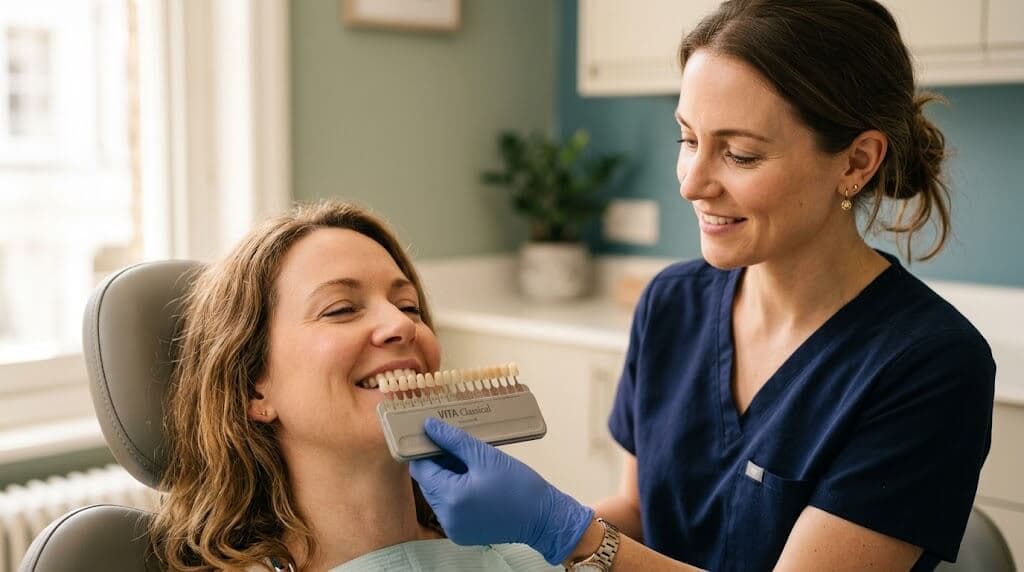 12 min readTeeth Whitening Consultation Wylie TX: Are You a CandidateA teeth whitening consultation Wylie TX patients book shows which stains lift, whether gums and enamel are ready, and what shade change is realistic.Read the article
 10 min readWhy Is One Tooth Darker? Discolored Dead Tooth GuideA discolored dead tooth: causes, symptoms, and treatment options in Wylie, TX.Read the article
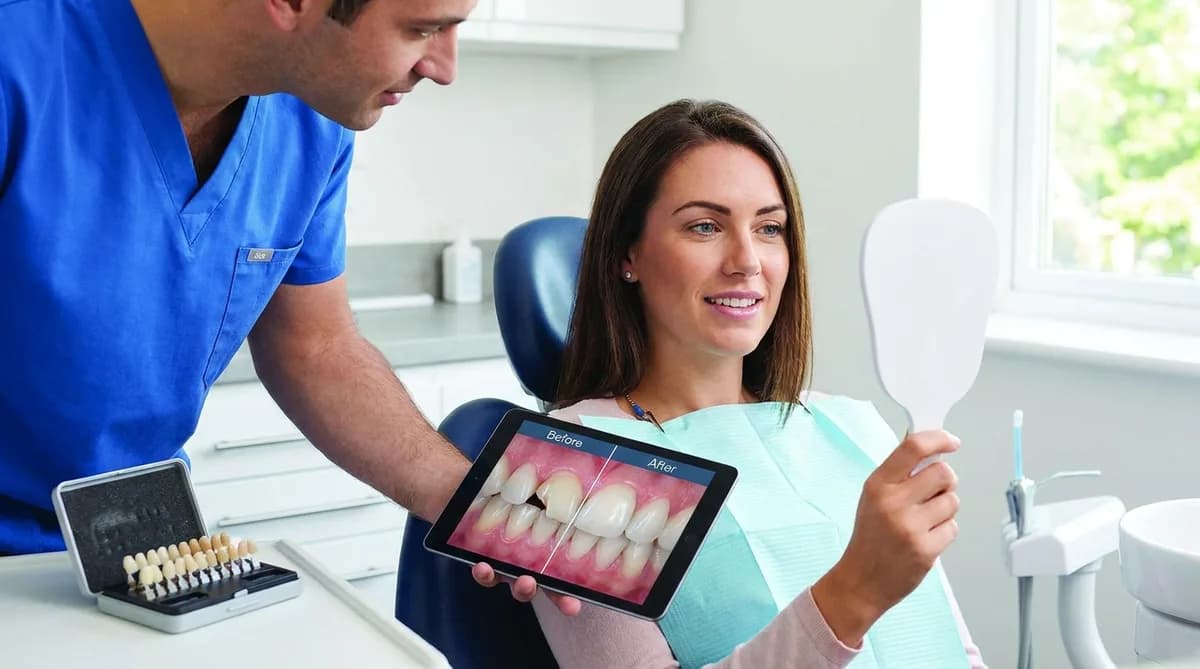 9 min readDental Bonding: What to Expect and How Long It LastsDental bonding explained: what the procedure is like, whether it hurts, how long bonding lasts, and how to make it last.Read the article
Your first visit
One ticket covers it.
360 Dental · Admit one