

Weighing veneers pros and cons matters more than picking a shade off a chart. Porcelain veneers can close gaps, cover stains, and reshape a smile in as little as two visits. But the change is permanent once your tooth structure is prepared for the shell. That's the part nobody mentions in the before-and-after photos.
At 360 Dental's porcelain veneers practice in Van Nuys, patients ask the same question at nearly every consultation: are veneers actually good for your teeth, or are you trading one problem for another? This guide breaks down the real advantages, the honest downsides, and why some patients end up disappointed, so you walk into your own consultation with clear eyes instead of guesswork.
What Are Veneers, and How Do They Work?
Veneers are thin shells, usually porcelain or composite resin, bonded to the front surface of a tooth to change its shape, size, or color. Your dentist removes a small layer of enamel, takes an impression, and bonds a custom-made shell in place. Most cases take two visits.
Here's what the typical porcelain veneer timeline looks like from start to finish:
- Consultation and shade matching, where your dentist confirms you're a good candidate.
- Enamel prep and impressions, taken in one visit.
- Temporary veneers while the lab crafts your permanent shells.
- Final bonding, usually two to three weeks later.
Composite veneers skip most of that. Your dentist sculpts the resin directly onto the tooth in a single appointment, which costs less but doesn't last as long. Want the full breakdown of materials and process? Our guide to what a dental veneer actually is covers both options in detail. Whitening alone can lift natural enamel by 4 to 8 shades in about two weeks, according to the ADA, but it can't fix chips or shape issues the way a veneer does.
Not every cosmetic flaw needs a veneer. Minor stains often respond to whitening alone. Veneers make more sense for chips, gaps, uneven edges, or discoloration that whitening can't touch.
How many teeth need veneers depends entirely on your goal. Some patients only want one or two front teeth corrected after a chip. Others go with six to ten across the "smile line" for an even, symmetrical look. Neither approach is right or wrong. It's a conversation about what bothers you when you look in the mirror.
What Are the Benefits of Veneers?
Veneers offer fast, dramatic cosmetic change. They can hide chips, gaps, discoloration, and minor misalignment in two visits, and porcelain resists staining far better than natural enamel or composite bonding. With good care, porcelain veneers can last 10 to 15 years, according to research published in the Journal of Prosthetic Dentistry.

The advantages go beyond looks, too. A smile is one of the first things people notice, and 99.7% of Americans believe a smile is an important social asset, per the American Academy of Cosmetic Dentistry. Veneers let you correct several flaws at once instead of running separate treatments for whitening, gaps, and chips.
- Stain resistance: porcelain doesn't absorb coffee, wine, or tobacco stains the way natural enamel does.
- Custom shape and shade: your dentist designs each shell to match your face and existing teeth.
- One treatment, multiple fixes: gaps, chips, and discoloration get addressed in a single case.
- Durability: porcelain holds up well against normal biting and chewing forces.
That said, benefits only apply when the case is planned well. A rushed shade match or overly aggressive prep erases most of these advantages fast. And confidence matters more than people admit. Patients who've had visible chips or gaps for years often describe the change as the first time they've smiled fully in photos, not just a cosmetic upgrade.
Are Veneers Good for Your Tooth Health, or Do They Cause Harm?
Veneers are not inherently bad for healthy teeth, but the enamel removed to fit a shell doesn't grow back. Once a tooth is prepped, it will always need some type of covering going forward. That's the tradeoff, and it's worth sitting with before you commit.
Minimal-prep veneers remove less enamel and preserve more natural tooth structure, which is why an accurate bite and enamel thickness assessment matters before treatment starts. According to the American Dental Association's MouthHealthy resource, veneers are considered a safe, well-established cosmetic option when a qualified dentist evaluates the case first. Sensitivity to hot and cold is common for a week or two after the enamel is prepared. It typically fades.
Grinding your teeth at night changes the equation. Veneers can chip or crack under that kind of repeated force, so your dentist may recommend a night guard alongside treatment. Skipping that step is one of the most common reasons veneers fail early.
Why Do Some People Say Veneers Are Bad?
Most veneer complaints trace back to rushed prep, over-aggressive enamel removal, or a lab-made shade that doesn't match the teeth next to it, not the treatment itself. When an experienced cosmetic dentist plans the case carefully, veneers rarely cause the problems that show up in online horror stories.
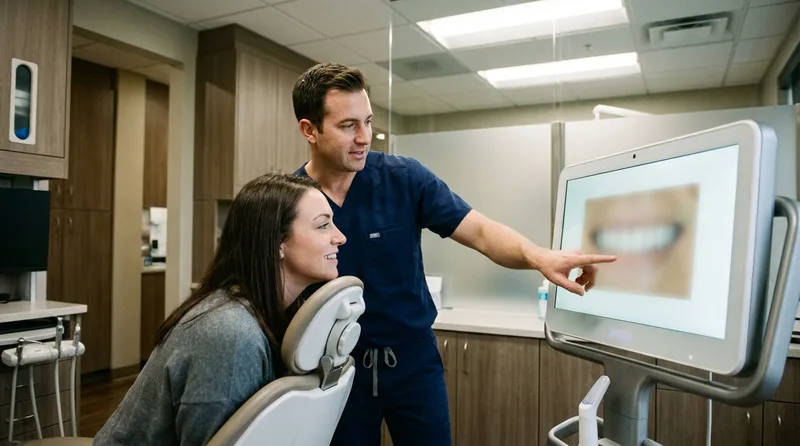
Still, there are real downsides worth naming honestly:
- No re-whitening: veneers can't be whitened once bonded, so your natural teeth need to match the shade you want before final placement.
- Ongoing maintenance: porcelain can chip on ice or hard candy, and most veneers need replacement after a decade or two.
- Cost: according to Colgate's oral health resource on veneers, porcelain veneers typically run $900 to $2,500 per tooth, and most dental insurance treats them as elective, so they're rarely covered.
Regret usually shows up for a specific reason: the patient chose a shade too bright for their face, or picked a dentist based on price instead of cosmetic case history. Ask to see a portfolio of finished cases before you commit. It tells you more than any review ever will.
| Concern | Real Risk | How to Avoid It |
|---|---|---|
| Irreversible prep | Enamel removed won't regrow | Ask about minimal-prep options first |
| Shade mismatch | Veneers look obviously "off" | Choose a dentist with cosmetic case photos |
| Chipping | Porcelain cracks under force | Wear a night guard if you grind your teeth |
Considering veneers in Van Nuys?
Dr. Vachik Danoukh can walk you through your options and tell you honestly whether veneers fit your case.
Are You a Good Candidate for Veneers?
Good candidates have healthy gums, enough enamel left to bond to, and a bite that won't put excess force on a thin shell. Your dentist confirms all three at a consultation before recommending veneers over another option.

Not everyone needs porcelain veneers to get the result they want. If your budget is tighter or your case is minor, composite bonding or professional whitening might solve the same problem for less. Our comparison of cosmetic dentistry treatments in Van Nuys lays out how veneers stack up against bonding, whitening, and Invisalign side by side. 360 Dental also accepts CareCredit, Sunbit, and Cherry financing, and offers a 360-VIP membership plan for patients without dental insurance.
Active gum disease or untreated decay needs to be resolved first. Placing a veneer over a compromised tooth just hides a problem that needs treatment, not cosmetic work. That matters more than people realize: 42% of adults over 30 have some form of periodontal disease, according to the CDC, and it needs to be treated before any cosmetic work begins.
Age isn't really a factor. What matters is oral health, not the number on your birthday. Teenagers with still-developing gums are usually asked to wait, but adults of any age with stable dental health are typically fine candidates.
The Bottom Line on Veneers Pros and Cons
Veneers pros and cons come down to one honest tradeoff: a dramatic, fast cosmetic upgrade in exchange for a permanent commitment to that tooth. Neither side of that equation is automatically right for you. It depends on your enamel, your bite, and how the case is planned.
The best way to know for sure is a hands-on evaluation, not a photo comparison online. Results may vary. Please consult with your dentist at 360 Dental for personalized treatment recommendations.
Find Out If Veneers Are Right for You
Schedule a consultation with Dr. Vachik Danoukh at 360 Dental in Van Nuys and get a straight answer about your smile.
Prefer to talk it through first?
Call (818) 787-6400 →
Common questions
Why do some people say veneers are bad?
Most negative experiences trace back to rushed enamel prep or a shade that doesn't match neighboring teeth, not the treatment itself. Choosing a dentist with a strong cosmetic case history avoids most of the complaints people post online.
Are veneers good for your teeth long term?
Veneers don't damage healthy teeth, but the enamel removed to fit them never grows back. That makes the tooth permanently dependent on some type of covering, which is worth weighing before you commit.
What are the main veneer advantages over whitening?
Veneers fix chips, gaps, and shape issues that whitening can't touch, and they resist future staining better than natural enamel. Whitening only changes color, so it can't address structural cosmetic concerns.
Do veneers hurt or cause sensitivity?
Mild sensitivity to hot and cold is common for a week or two after enamel is prepared, and it typically fades on its own. Local anesthetic keeps the prep appointment itself comfortable, and most patients describe the recovery as mild at most.
How long do porcelain veneers actually last?
Porcelain veneers can last 10 to 15 years with proper care, according to the Journal of Prosthetic Dentistry. Composite veneers cost less upfront but usually need replacement sooner, often within 5 to 7 years.
Can veneers be whitened after they're placed?
No, porcelain and composite veneers can't be whitened once bonded, since the material doesn't respond to whitening gel the way natural enamel does. Your natural teeth need to match your target shade before your dentist finalizes the color.
Did this answer your question?
Written for general reading, not as advice about your own teeth. Nothing here replaces an examination: if something hurts, or has changed, book a visit and let a dentist look at it.
Your first visit
One ticket covers it.
360 Dental · Admit one