
Pediatric Dentistry
Do Dental Sealants Prevent Cavities in Kids? The Evidence
Published 10 min read
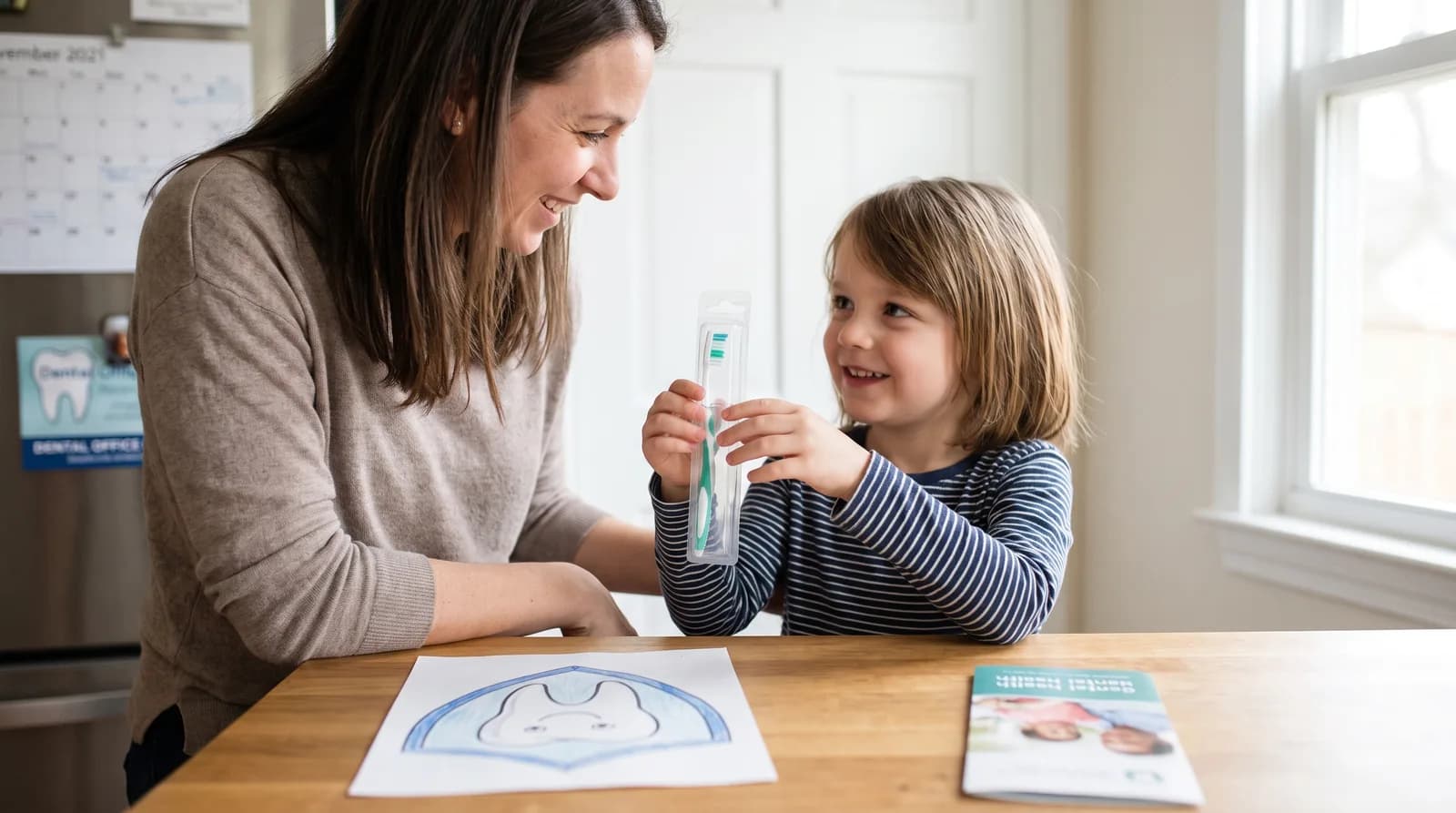
Dental sealants for kids come up at almost every pediatric dentistry checkup, usually in one quick sentence before the visit moves on. Most parents nod along without fully knowing what a sealant actually is, whether it works, or if insurance covers it. It's worth slowing down on this one, because dental sealants prevent cavities in the exact teeth kids struggle most to keep clean.
A sealant takes only a few minutes to apply and involves no numbing or anesthetic. That short appointment window is part of why it gets mentioned so briefly at checkups, even though the actual protective effect is worth understanding in more detail.
This guide covers what sealants actually do, the age window when they matter most, how long they last, and what to expect at future recall visits. For the full back-to-school picture, see this practice's back to school dental checkup guide.
Dental Sealants for Kids: What Are They and How Do They Work?
Dental sealants for kids are thin protective coatings applied to the chewing surfaces of back teeth, designed to seal off the deep grooves where cavities most commonly start in school-age children.
A sealant isn't a filling and isn't a treatment for an existing cavity. It's applied to a healthy tooth specifically to keep it that way. The material flows into the natural pits and grooves on a molar's surface and hardens into a smooth, protective layer.
Those grooves are hard to clean even with careful brushing. A toothbrush bristle is often too wide to fully reach the bottom of a deep groove, which is exactly why cavities so often start in that specific spot on a child's back teeth.
The material itself is a thin, tooth-colored or clear resin. Once it's applied and hardened under a special light, it bonds directly to the tooth surface. Nothing gets removed from the tooth beforehand, unlike a filling.
Because nothing gets removed and no anesthetic is needed, the entire process feels closer to a routine cleaning step than a dental procedure. Most kids don't find it stressful at all once they understand nothing gets numbed or removed.
Is Your Child Due for a Checkup?
A routine visit is the easiest way to find out if new molars are ready for a sealant.
Do Dental Sealants Actually Prevent Cavities?
Yes, dental sealants prevent cavities effectively. Sealants can reduce cavity risk in school-age children by nearly 80%, according to the CDC, making them one of the most effective preventive tools in pediatric dentistry.
That protection comes from a simple physical barrier, not a chemical treatment. Once the grooves are sealed, food and bacteria can no longer settle into the deepest, hardest-to-clean parts of the tooth. A normal toothbrush can then actually reach and clean the smoother surface underneath.
Tooth decay remains the most common chronic disease in children, roughly five times more common than asthma, according to the ADA. Sealants target exactly the mechanism behind a large share of that decay, which is why the CDC recommends them as standard preventive care.
20% of children ages 5 to 11 have at least one untreated decayed tooth, according to the CDC. Sealants are one of the simplest, lowest-effort ways to keep a child's molars from adding to that number.
None of this means sealants replace brushing, flossing, or regular checkups. They add one more layer of protection specifically for the teeth most likely to develop a cavity in the first place.
When Should My Child Get Sealants? The 6 to 12 Age Window
The best window for dental sealants is generally ages 6 to 12, timed around when permanent first and second molars come in, since sealing them as soon as they erupt offers the most protection.
First permanent molars typically erupt around age 6, right behind the baby teeth, which is why parents don't always notice a new tooth has come in. Second permanent molars follow around age 12. Both sets benefit from a sealant as soon as they've fully emerged.
Waiting too long after a molar erupts means the tooth has more time exposed to decay risk before it's protected. Sealing it early, ideally within the first year after it comes in, gives the sealant the best chance of preventing a cavity that hasn't started yet.
This is also why regular checkups matter so much during these specific years. A dentist can spot a newly erupted molar and recommend a sealant right away, rather than waiting for a parent to notice a change that isn't always visible without a close look.
Missing this window entirely doesn't mean a sealant is off the table later. A dentist can still apply one to an older molar, though the protective head start is smaller once the tooth has already been exposed to years of normal wear and decay risk.
Which Teeth Get Sealants First: Molars or Premolars?
First and second permanent molars get sealants first because they have the deepest grooves and the highest cavity risk of any teeth in a child's mouth, making them the priority at nearly every sealant visit.
Premolars sometimes get sealants too, particularly if they show deep grooves similar to the molars. Front teeth almost never need one, since their surfaces are naturally smoother and far less prone to the kind of decay sealants are designed to prevent.
- First molars: erupt around age 6; highest priority for early sealant placement.
- Second molars: erupt around age 12; sealed as soon as they're fully in.
- Premolars: sometimes sealed if grooves are notably deep.
A dentist checks each tooth individually rather than assuming every molar automatically needs a sealant. Some molars have naturally shallower grooves and lower risk, even within the same child's mouth.
Baby teeth occasionally get sealants too, particularly for kids at higher cavity risk, but permanent molars remain the priority since they need to last the rest of a person's life.
Judgment-Free Pediatric Care
Dr. Jeong treats every young patient with patience, no matter how nervous they feel.
How Long Do Dental Sealants Last?
Dental sealants typically last five to ten years with normal wear, though they should be checked at every routine recall visit since they can wear down or chip earlier depending on a child's biting habits.
A sealant doesn't announce when it's worn away. There's no discomfort or visible sign for a parent to catch at home. That's exactly why a dentist checks each sealant visually at routine visits rather than waiting for a problem to surface first.
Reapplying a worn sealant is quick and simple, similar to the original placement. It's a normal part of long-term maintenance, not a sign that the first sealant failed or that anything went wrong.
How long a sealant lasts also depends on which tooth it's on and how a specific child chews and bites. Some sealants last well past ten years, while others wear down sooner simply due to normal use.
Diet plays a role too. Frequent snacking on sticky or hard foods can wear a sealant down faster than a diet with fewer between-meal snacks, though this varies enough between kids that it's not a hard rule.
Why Do Sealants Get Checked at Every Recall Visit?
Sealants get checked at every recall visit because a chipped or worn sealant loses its protective effect silently, and catching that early keeps the tooth protected without waiting for a cavity to develop first.
A dentist or hygienist visually inspects each sealant during a routine cleaning, looking for chips, wear, or areas where the material has come loose. This takes only a moment and requires no additional imaging or separate appointment.
Kids who grind their teeth or have a habit of chewing on hard objects sometimes wear through sealants faster than expected. Regular checks catch that pattern early, before the underlying tooth becomes vulnerable again.
This is one more reason routine recall visits matter, even for kids who seem to have healthy teeth and no complaints. A sealant check adds almost no time to a normal cleaning appointment.
Skipping recall visits, even for a year or two, means a worn sealant could go unnoticed the entire time. That gap is exactly when a preventable cavity has the best chance of forming unseen.
Does Insurance Cover Dental Sealants for Kids?
Most dental insurance plans cover sealants for children as part of routine preventive care, though coverage details vary by plan, including which teeth qualify and how often reapplication actually gets covered.
Insurers generally treat sealants the same way they treat other preventive care, since preventing a cavity costs the plan less than treating one later. That said, exact coverage terms differ enough between plans that it's worth confirming details directly with your provider before the visit.
Willow Family Dentistry's front desk can help verify coverage ahead of an appointment, so there are no surprises about what's included once your child is in the chair.
Coverage sometimes depends on which specific teeth get sealed and how recently a previous sealant was applied. A quick call to your insurance provider before scheduling tends to clear up most of these details in advance.
Some plans also limit coverage to a specific age range that closely matches the 6 to 12 window most sealants are placed within anyway, which usually lines up well with when the treatment actually makes sense.
How Do I Get My Child's Teeth Sealed at Willow Family Dentistry?
Getting your child's teeth sealed at Willow Family Dentistry starts with a routine exam where Dr. Jeong checks which molars have erupted and whether their grooves would actually benefit from a sealant.
The process itself is quick and comfortable. There's no numbing and no anesthetic required. Most kids handle it easily, even ones who feel nervous about other dental procedures.
According to Mayo Clinic's guidance on dental sealants, the entire application process typically takes only a few minutes per tooth and involves no discomfort for most children.
- Schedule a routine checkup if your child's first or second molars have recently come in.
- Ask directly whether those molars are ready for a sealant.
- Check with your insurance provider about preventive coverage beforehand.
- Keep future recall visits on schedule so sealants get checked regularly.
Nervous kids sometimes worry about a new procedure before understanding how simple it actually is. Explaining beforehand that a sealant is just a quick coating, with no numbing and no equipment involved, tends to ease most of that anxiety before the appointment even starts.
For a fuller look at what a back-to-school visit covers overall, see this practice's preventive dentistry services alongside the pediatric dentistry page for more on care built around kids specifically.
The short version: dental sealants for kids genuinely prevent cavities, particularly on first and second molars during the 6 to 12 age window when those teeth are most vulnerable. They last years with normal wear and get checked at every recall visit as routine, ongoing care.
Results may vary. Please consult with Dr. Jeong for personalized treatment recommendations.
If sealants came up quickly at a checkup and never got a full explanation, that's an easy thing to revisit at the next visit. A quick question during a routine cleaning is all it takes to get a clear answer specific to your child's teeth.
Have a question about coverage or candidacy?
Common questions
What are dental sealants for kids?
Dental sealants are thin protective coatings applied to the chewing surfaces of back teeth. They seal off the deep grooves where cavities most commonly start, without removing any part of the tooth beforehand.
Do dental sealants actually prevent cavities?
Yes. Sealants can reduce cavity risk in school-age children by nearly 80%, according to the CDC. They create a smooth barrier over deep grooves that a toothbrush alone often can't fully clean.
What age should my child get dental sealants?
The best window is generally ages 6 to 12, timed around when first and second permanent molars erupt. Sealing a molar soon after it comes in gives the best chance of preventing a cavity before one starts.
How long do dental sealants last on kids' teeth?
Sealants typically last five to ten years with normal wear, though they should be checked at every routine recall visit. A worn or chipped sealant can be reapplied quickly, similar to the original placement.
Why do dentists check sealants at every visit?
A worn sealant doesn't cause any discomfort or visible sign at home. Checking it visually at each recall visit catches wear early, before the tooth underneath becomes vulnerable to a preventable cavity again.
Does insurance cover dental sealants for kids?
Most dental insurance plans cover sealants as part of routine preventive care, though coverage details vary by plan. It's worth confirming which teeth qualify and how often reapplication is covered before scheduling.
Did this answer your question?
Written for general reading, not as advice about your own teeth. Nothing here replaces an examination: if something hurts, or has changed, book a visit and let a dentist look at it.
Read next
 12 min readChoosing a Pediatric Dentist in Wylie, TX: Parent GuideChoosing a pediatric dentist in Wylie?Read the article
 10 min readChild First Dental Visit What to Expect at KindergartenChild first dental visit what to expect: what happens, the language to use at home, the tell-show-do method, and when nitrous oxide helps a nervous child.Read the article
 10 min readKids Brushing Routine Morning: What Works on School DaysA kids brushing routine morning plan that survives the 7am rush: age-by-age supervision, the two-minute problem, and three routines that actually work.Read the article
Your first visit
One ticket covers it.
360 Dental · Admit one